
Your Facebook Bio: The Hardest-Working 101 Characters
You open your Facebook Page settings, click into the bio field, and hit the same wall most business owners hit. The cursor blinks. You know the space matters, but fitting your offer, personality, and a reason to follow into a tiny line feels harder than writing a full About page.
That pressure is real because Facebook personal profile bios are limited to 101 characters, while Facebook Pages allow 255 characters in the short description field plus a longer About section. That makes the short bio one of the tightest profile spaces you’ll write for, especially compared with longer profile sections on platforms like LinkedIn, as noted in this social bio character limit breakdown. For small business owners, side-hustlers, and solo operators, that short line often becomes the first impression people get.
A good bio for Facebook doesn’t just identify you. It tells visitors what you do, who it’s for, and what they should do next. If you’re trying to optimize your social media profiles, the bio is one of the fastest places to tighten your positioning.
Below are 8 practical bio ideas built around different business goals. Pick the one that matches what you need right now, then adapt it until it sounds like you.
1. The Mission-Driven Bio
A mission-driven bio fits businesses that win on clarity before personality. If someone lands on your Facebook Page and can immediately tell who you help and what change you create, this format is doing its job.
It works especially well for consultants, coaches, local service providers, and solo founders with a clear offer. The trade-off is that it leaves less room for wit or personal flair. That is usually the right choice if your page needs to convert curiosity into inquiries.

A few strong examples:
- For a marketing consultant: Entrepreneur helping small businesses turn ideas into revenue 📈
- For a solo creator: Making social media simpler for solopreneurs
- For a side-hustle coach: Helping side-hustlers grow without the overwhelm
What makes this one work
The best mission-driven bios answer three questions fast. Who is this for. What does this business help with. Why should I care.
That focus matters on Facebook because page visitors often scan before they click. A broad line like “Helping people succeed” sounds positive, but it does not sort the right visitor from the wrong one. A tighter mission statement does.
Practical rule: If a stranger cannot tell who you help in one read, the bio is still too broad.
For solopreneurs, I recommend writing the mission first and saving contact details, service area, and promotions for the rest of the Page profile. The bio should carry the positioning. The supporting fields can handle the logistics.
How to build one quickly
Start with three inputs:
- Who you help: local businesses, creators, consultants, service providers
- What you help them do: get leads, stay visible, post consistently, simplify marketing
- What outcome or feeling you deliver: organized, calm, profitable, clearer
That gives you practical bio options like:
- Helping local brands stay visible online
- Content support for busy service businesses
- Helping creators post without the chaos
This is also where tools like Postful save time. Draft a plain-English sentence first, then use Postful to generate shorter variations by goal. For example, ask for one version that sounds mission-led, one that sounds community-focused, and one that sounds results-oriented. That makes it easier to choose a bio style based on strategy, not guesswork.
Avoid inspirational filler. “Dream big, stay humble” may fit a personal profile. A business page usually needs a clearer promise.
2. The Multi-Hyphenate Creative Bio
Some businesses don’t fit a single label. If you’re a designer who also teaches, writes, and sells digital products, a one-title bio can undersell you. That’s where the multi-hyphenate format earns its keep.
This style works best when your roles are connected. It fails when you cram in every identity you’ve ever had.
Try examples like these:
- Content Creator | Social Media Manager | Postful power user 🚀
- Copywriter • Podcaster • Solopreneur • Making content that converts
- Designer / Entrepreneur / Teacher / Building in public
Keep the role list under control
Three or four roles is usually enough. Past that, the bio starts reading like a keyword dump instead of a focused brand statement.
A Facebook visitor doesn’t need your full career history. They need the shortest version of your work that still feels true. If you run a creative business with several revenue streams, lead with the roles tied most closely to what you want more of.
For example, someone who sells brand design, hosts a newsletter, and teaches workshops might write:
- Brand Designer | Educator | Helping founders look sharper online
That’s cleaner than stacking unrelated identities like “Designer | Mom | Traveler | Coffee lover | Mentor | Speaker | Dog person.”
Your bio isn’t a complete self-portrait. It’s a sorting tool.
How to make it productive
This format becomes much more useful when you match it to your content workflow. If one role is your core offer and another supports discovery, build your posting around that hierarchy too.
A practical setup inside Postful looks like this:
- Primary role first: Put the role tied to revenue first
- Secondary role second: Use the second role to widen relevance
- Message consistency: Reuse that same role order across your Facebook Page, LinkedIn headline, and Instagram bio
- Content batching: Create separate post prompts for each role so your feed doesn’t drift
For example, a “Copywriter | Podcaster | Solopreneur” might batch one week of authority posts around copywriting, then one week of personality-led posts tied to the podcast. The bio stays stable, while the content rotates.
What doesn’t work is listing multiple roles without giving people a reason those roles belong together. If the line reads like a crowded résumé, simplify it.
3. The Results-Oriented Bio
A visitor lands on your Facebook Page, gives you five seconds, and asks one practical question. What do I get from this business?
That is the job of a results-oriented bio. It works best for consultants, service providers, coaches, and productized businesses where buyers care about the outcome before they care about your backstory. For solopreneurs, it also helps filter weak-fit leads. People can tell quickly whether your offer solves the problem they already have.
Strong examples stay specific without making shaky claims:
- Helping small businesses publish faster and stay consistent
- Small business strategist | Better content systems, less chaos
- Turning scattered ideas into revenue-focused posts
Good results bios focus on the change, not the task. “Email marketing for local shops” describes an activity. “Helping local shops turn email into repeat sales” gives the reader a reason to care.
Here’s a useful video if your next step is turning bio traffic into stronger posts:
What to say when you don’t have hard metrics
A lot of newer business owners get stuck here. They assume a results-led bio needs big numbers, client logos, or dramatic before-and-after claims. It doesn’t.
Use outcome language you can stand behind:
- I help local businesses show up consistently
- Content systems for busy founders
- Social media support that saves time and reduces guesswork
That wording still does real work. It tells a visitor what improves after hiring you.
If you have a repeatable process, use that. “Turning ideas into client-ready content” is stronger than vague lines about helping brands grow. A process claim is often the better trade-off for early-stage businesses because it feels concrete without forcing you to overstate results.
How to make this type of bio pull its weight
This style works best when your posts prove the promise in the bio. If your bio says you save founders time, your feed should show time-saving workflows, simple before-and-after examples, and clear offers. If your bio promises better consistency, your page should look consistent.
For solo operators, that usually means building a light system instead of writing every post from scratch. Postful’s scheduler helps keep the message visible week after week, and how to write social media posts that actually bring in new clients shows how to match post topics to the promise in your profile. If you want the bio to lead into a stronger next step later, it also helps to understand what makes a CTA effective in social content.
A simple workflow looks like this:
- Pick one result: Lead with the clearest business outcome you offer
- Support it with content: Batch posts that show examples, mini case studies, or common fixes
- Keep the wording stable: Do not rewrite the bio every week unless your offer changes
- Check for proof: Make sure the last few posts on your Page support the claim in the bio
Trade-off to understand
Results-oriented bios often convert better than clever ones, but they can sound flat if every word is purely transactional. Add one human detail if it supports trust. Keep the outcome in the lead position.
For example, “Helping busy founders simplify content and stay visible” is stronger than “Coffee-fueled marketer helping brands thrive.” One gives the reader a practical reason to stay. The other sounds familiar, but does not say much.
4. The Call-to-Action CTA Bio
A visitor lands on your Facebook Page, likes what you do, and is willing to take the next step. Your bio should make that step obvious.
The CTA bio is built for action, not just identity. It works best when your goal is clear. Get a message, drive a booking, send people to your site, grow an email list, or train visitors to follow for a specific kind of content. For solopreneurs, this style is often the fastest route from profile visit to inquiry because it removes guesswork.
Examples:
- 📌 DM for content help | Start with the website below
- Ready to simplify your social media? Book a consult
- Follow for practical small business marketing tips
Make the next step easy
On Facebook, the bio has a support role. It should point people toward the Page button, website field, or About section instead of trying to do everything at once. If the action takes more than a second to understand, the bio is carrying too much.
A strong CTA bio usually includes one action and one reason. "Book a consult" is clear. "Book a consult to simplify your weekly marketing" is clearer because it gives the reader a payoff.
For small business owners, that trade-off matters. The more specific the CTA, the better the conversion intent. The more specific it gets, the less flexible it becomes if your offer changes often. If you switch between services, workshops, and seasonal promos, plan to update the bio on purpose instead of letting old copy sit there for months.
A few CTA patterns that work well:
- Lead magnet angle: Get the free guide below
- Service angle: Book a consult through our website
- Conversation angle: DM to ask about availability
- Content angle: Follow for weekly small business tips
Match the CTA to what your page actually delivers
This bio style breaks down when the page promise and the page content do not match. If the bio says "Follow for weekly content systems tips," the last few posts should prove it. If the bio pushes people to message you, check that message replies are timely. A CTA only works if the next step is real and maintained.
A simple workflow is beneficial. I usually recommend tying the bio CTA to one active business goal for the month. If you are promoting a workshop, point the bio there. If client capacity is full, switch the CTA to a waitlist or newsletter. If you want a sharper framework for writing that prompt, this guide to writing a clear call to action is a useful reference.
Postful helps on the execution side. You can schedule posts that reinforce the exact action named in the bio, which saves time and keeps the page consistent without rewriting everything from scratch.
Generic lines like "Click here now" rarely do much. Give people a reason to act and a clear destination.
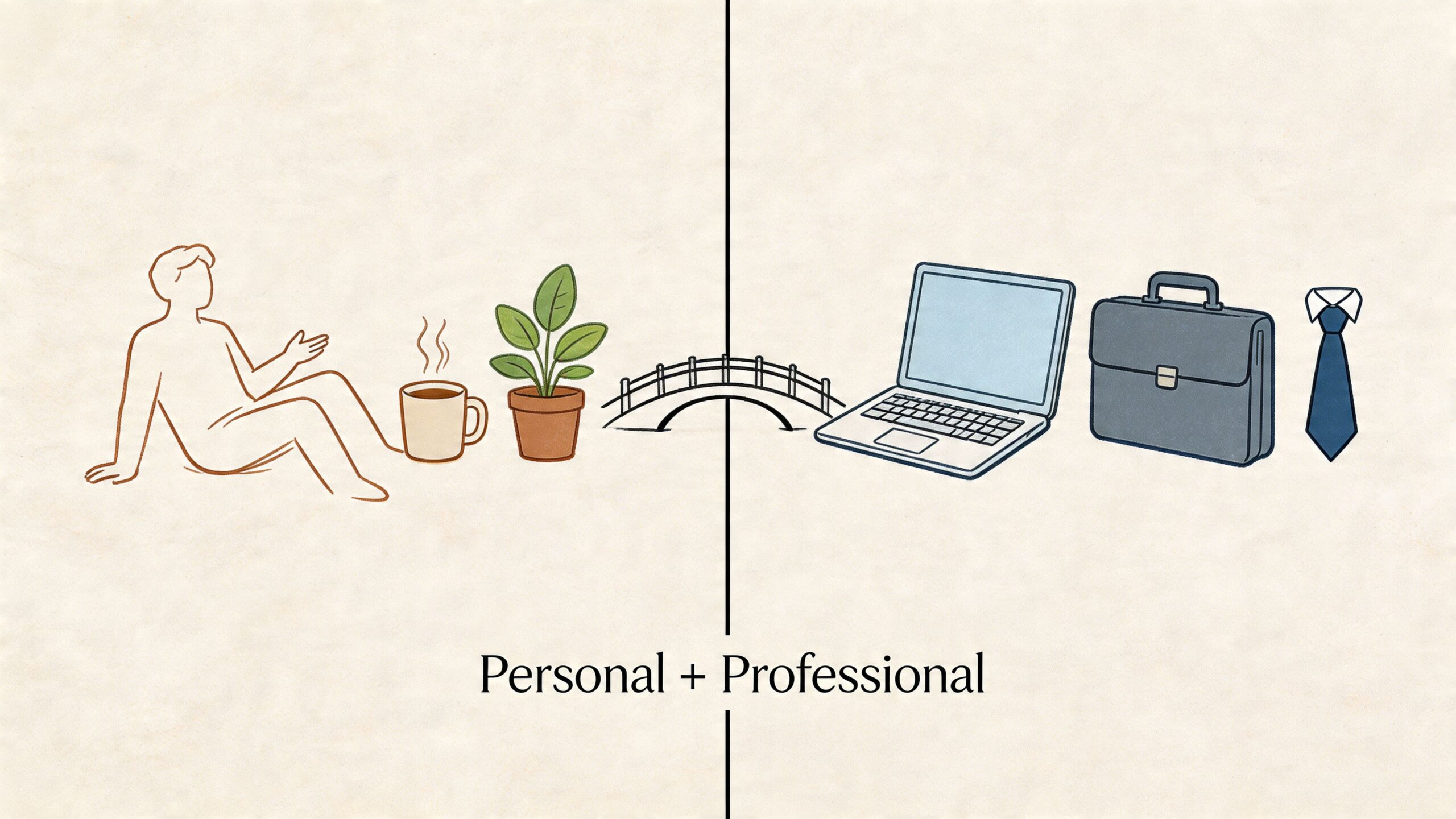
5. The Personal Plus Professional Hybrid Bio
For many solopreneurs, the person and the business are closely linked. A personal plus professional hybrid bio works when trust matters and your audience wants to buy from a human, not just a logo.
This format blends one or two real personality markers with a clear business identity.
Examples:
- Coffee enthusiast ☕ | Small business growth strategist
- Creative entrepreneur | Mental health advocate | Building useful systems
- Helping solopreneurs work smarter | Yoga lover | Let’s grow together 🌱
The balance matters
It is common to overdo the personal side. “Coffee lover, beach walker, taco fan, dreamer” doesn’t build much confidence if someone is evaluating whether to hire you. On the other hand, a bio that reads like a conference name tag can feel cold.
A strong hybrid bio usually follows a simple ratio. Professional first, personal second. In practice, that means opening with what you do and using the personal detail to make the line more memorable.
Good:
- Helping founders simplify content | Runner | Tea over coffee
Less effective:
- Dog mom | Traveler | Foodie | Marketing consultant
When this style is the right call
Use the hybrid style if your service depends on trust, taste, or long-term relationships. Coaches, creatives, photographers, designers, therapists, consultants, and educators often do well with it.
A few practical rules keep it sharp:
- Pick relatable details: choose interests that support your tone, not random trivia
- Stay audience-aware: if you serve local clients, your location may matter more than a hobby
- Keep the personal detail short: one phrase is enough
- Match the feed: if your bio sounds warm and human, your posts should too
For local businesses, practical profile details can matter a lot. Best-practice guidance specifically points to location and contact information as useful bio components because they support local discovery and help people act faster, especially for service businesses, retail, and appointment-based work.
This style works well with Postful because you can turn small personal details into repeatable content themes. If your bio mentions coffee and productivity, batch quick founder posts around routines, client work, and behind-the-scenes moments. The bio opens the door. The feed confirms you’re real.
6. The Authority Expert Bio
A prospect lands on your Facebook page, scans the bio for three seconds, and decides whether you know your craft or just talk about it. That is the job of an authority bio. It helps consultants, educators, strategists, coaches, and specialized service providers set the frame fast.
The strongest version is narrow, specific, and provable. Use real credentials, a clear specialty, or a defined audience. Skip inflated titles and broad labels that create more doubt than trust.
Examples:
- Fractional CMO for B2B service firms
- Email marketing educator for solo founders
- Business coach helping therapists build referral systems
- Facebook ads consultant for local home service brands
What makes this style work
Authority comes from precision.
“Marketing expert” says almost nothing. “Content strategist for service businesses” gives people a category, a market, and a reason to keep reading. That kind of specificity matters because your bio has limited space and has to do real filtering. The right visitors should recognize themselves right away. The wrong ones should know you are not for them.
That trade-off is useful for solopreneurs. A narrower bio may attract fewer clicks, but the conversations tend to be better qualified.
Useful test: If your title could fit thousands of generic profiles, narrow it by service, audience, or method.
What to include instead of hype
If you have a certification, named role, or years of focused experience, include one strong proof point. One is enough. If you do not have formal credentials, lead with the problem you solve and who you solve it for.
Good authority formats include:
- Specialty first: Bookkeeping advisor for creative agencies
- Audience first: Helping local clinics improve patient communication
- Method first: Building simple content systems for solo founders
- Outcome plus niche: Sales trainer for consultants who need a repeatable discovery process
Keep the wording plain. Facebook bios are short, and plain language reads as more credible than self-congratulation.
This style also works best when the bio matches the feed. If your bio says you are an expert, your posts need to prove it with clear opinions, short frameworks, useful examples, and repeated themes. Postful helps here because you can batch those expert posts by category, then schedule them around the promise your bio makes. That is one of the simplest ways to turn a strong profile line into a consistent authority signal. If you want that positioning to carry across your whole presence, this personal branding guide for entrepreneurs gives a solid next step.
Save the longer list of accomplishments for your About section, pinned post, or website. The bio should establish expertise fast, not read like a resume.
7. The Community-Focused Bio
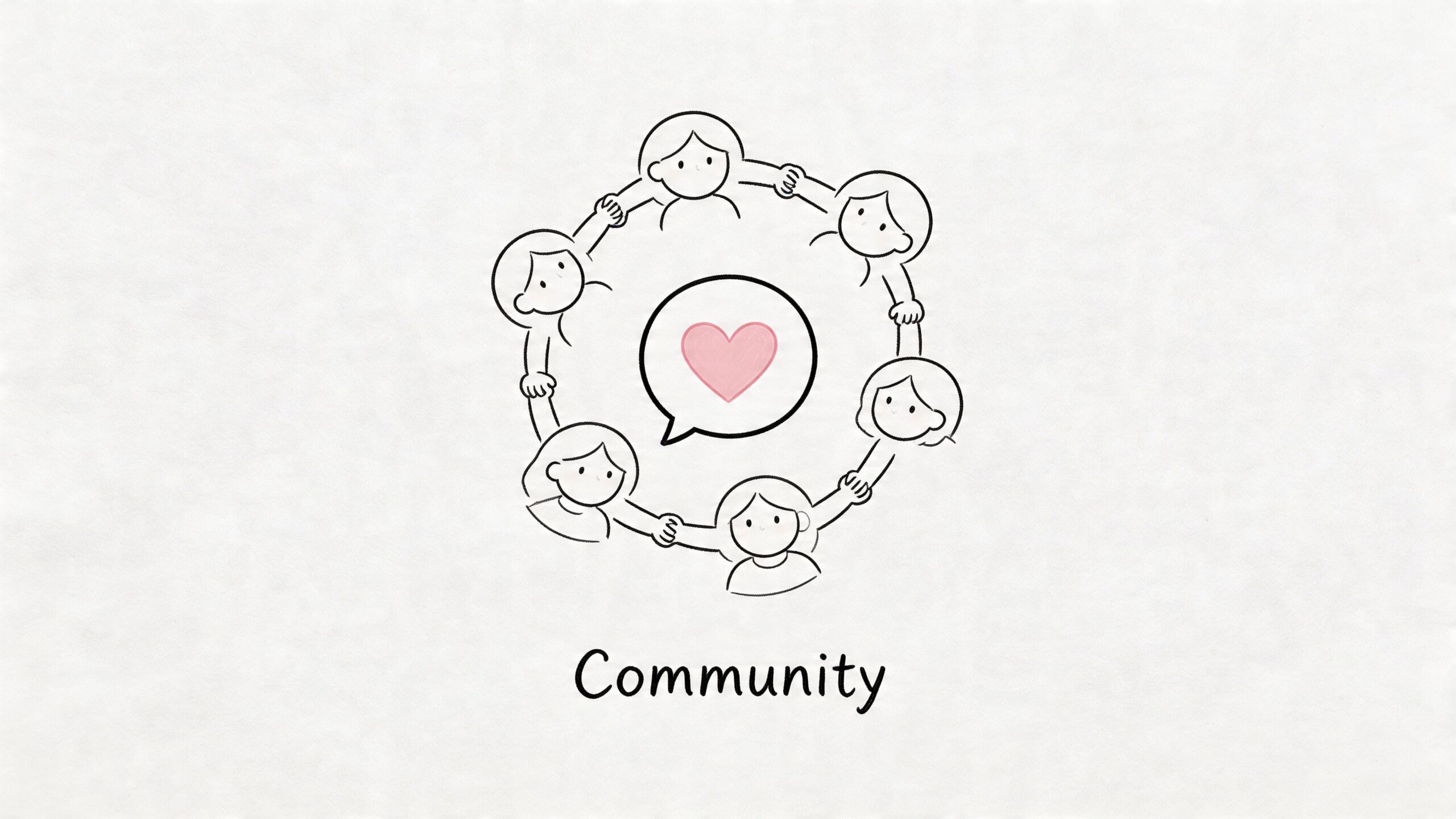
A founder posts every day, but the page still feels quiet. The problem is often the bio. If the profile reads like a solo pitch while the business depends on conversation, referrals, and repeat participation, the positioning is off from the start.
A community-focused bio tells people who the group is for and what they can expect to do there. This style fits businesses that grow through shared identity and regular interaction, especially membership brands, local service businesses, education communities, niche creator groups, and support-based brands.
Examples:
- 👥 A place for solopreneurs to share wins, questions, and real progress
- Helping side-hustlers grow with support, accountability, and practical ideas
- Community for entrepreneurs and creators building better businesses together
What makes this style work
This bio style signals belonging first. That matters when people join because they want connection, feedback, accountability, or a sense that other people like them are in the room.
For solopreneurs, there is a trade-off. A community-focused bio can feel warmer and more inviting than an expert-led bio, but it can also get vague fast. The fix is specificity. Name the group clearly, use the same audience label in your posts, and make the page feel active within a few seconds of someone landing on it.
The strongest community bios also match the business model. If revenue depends on returning buyers, active members, event attendance, referrals, or comments that keep posts visible, community language earns its place. If the page is mainly a brochure for one-to-one services, a different bio style will usually do more work.
A practical publishing pattern
This approach only works when the feed proves it. Calling your page a community without visible interaction creates friction right away.
A simple Postful workflow helps keep that promise realistic for a solo business owner:
- Member spotlight posts: share a customer win, lesson, or milestone
- Weekly question posts: ask one focused question that is easy to answer
- Shared language: repeat the same audience label in the bio, captions, and comments
- Theme days: run simple recurring prompts like Monday goals or Friday wins
This is one of the cleaner strategic uses of a Facebook bio. It is not just a writing style. It is a positioning choice tied to how you publish and how people participate.
Community bios work when readers can see themselves joining in.
If your bio says people grow together, give them clear ways to do that. Ask for replies. Feature their progress. Use Postful to batch those recurring prompts in advance so the page keeps feeling alive even when you are busy serving clients.
8. The Benefit-Driven Bio
A prospect lands on your Facebook page between tasks, gives you a few seconds, and asks one practical question: what do I get if I follow, message, or hire you?
That is where a benefit-driven bio earns its place. It states the outcome in plain language, so the right buyer can recognize the value fast.
This style works especially well for solopreneurs selling services that remove friction, save time, or improve consistency. If your offer helps people post regularly, get more inquiries, stay organized, or stop wasting hours on content decisions, the bio should say that clearly. Buyers respond to the result they want to feel in their day-to-day work.
Examples:
- Stop wasting hours on social media. Get consistent posts that keep your business visible.
- Helping small business owners get more from Facebook without adding more to their week
- Turn scattered ideas into clear posts that save time and support sales
Lead with the payoff people already want
A benefit-driven bio is usually stronger than a clever one because Facebook visitors scan quickly. Clear outcome language gives them something concrete to hold onto.
A useful test is simple. If a stranger reads your bio, can they repeat the benefit without needing an explanation? If not, the wording is still too vague.
A practical before-and-after example:
Before:
- Creative solutions for modern brands
After:
- Helping local businesses stay active on Facebook without daily content stress
The second version gives the reader a result they can picture. It also fits the strategic goal behind this bio type. It is not trying to sound impressive. It is trying to make the offer easy to understand.
Build the bio from client language, not brand language
The fastest way to write this kind of bio is to pull phrases from real conversations. Review inquiry emails, DMs, call notes, and testimonials. Small business owners often describe the benefit better than the business does.
Look for three parts:
- Problem: no time to post, inconsistent content, unclear message
- Outcome: stay visible, get more inquiries, show up consistently
- Relief: less stress, more focus, fewer last-minute scrambles
Then compress that into one line that fits your actual business model.
For example, a social media freelancer might write:
- Helping service businesses stay consistent on Facebook without spending their evenings writing posts
A local coach might write:
- Clear Facebook content that keeps you visible and brings in more qualified inquiries
Postful is useful here because you can draft several versions, test different benefit angles, and match the bio to your scheduled content themes. That matters for solo operators. If your bio promises easier, more consistent marketing, your feed should reflect that promise without creating extra manual work each week.
The mistake to avoid is broad, inflated language. “Live your best life” says nothing. “Spend less time figuring out what to post” gives a specific benefit a buyer can value right away.
8 Facebook Bio Styles Compared
| Bio Type | 🔄 Implementation complexity | ⚡ Resource requirements | ⭐ Expected outcomes | 📊 Ideal use cases | 💡 Key advantages |
|---|---|---|---|---|---|
| The Mission-Driven Bio | Low–Moderate, needs clear mission phrasing | Low, mainly concise copywriting | High trust and aligned followers | Solopreneurs, small businesses, value-driven brands | Differentiates brand; builds credibility quickly |
| The Multi-Hyphenate Creative Bio | Moderate, formatting & role prioritization | Low–Moderate, editing for clarity across networks | Moderate, attracts diverse audience segments | Creators, side‑hustlers, multi-role professionals | Shows versatility; memorable and dynamic |
| The Results-Oriented Bio | Moderate, requires accurate metrics and proof | Medium, analytics tracking and regular updates | High, strong credibility with ROI-focused audiences | Coaches, consultants, service providers | Specific numbers boost trust and conversions |
| The Call-to-Action (CTA) Bio | Low–Moderate, clear action + destination needed | Medium, landing page/link tracking required | High, drives direct conversions when optimized | Lead generation, bookings, newsletter signups | Converts bio visits into measurable actions |
| The Personal + Professional Hybrid Bio | Moderate, balance personal + professional tone | Low, selective personal details and polish | High relatability and engagement | Personal brands, creatives, solopreneurs | Humanizes brand; fosters emotional connection |
| The Authority/Expert Bio | Moderate–High, must substantiate expertise | Medium–High, credentials, content, proof points | High, attracts higher-quality, higher-value leads | Coaches, consultants, educators, niche experts | Positions as trusted authority; supports premium pricing |
| The Community-Focused Bio | Moderate, inclusive tone + ongoing moderation | High, active community management and content | Strong long-term loyalty and advocacy | Memberships, movements, support networks | Builds engaged, supportive audience and advocates |
| The Benefit-Driven Bio | Moderate, requires deep audience insight | Medium, research and validation of benefits | High, persuasive; improves relevance and conversions | SaaS, service providers, conversion-focused profiles | Focuses on audience outcomes; directly addresses pain points |
Turn Your Bio Into More Business
A Facebook bio isn’t a one-time task. It’s a working part of your marketing system. The best one for your business depends on what you need right now. More trust, more clicks, more clarity, more authority, or more community.
If you’re stuck, don’t start by trying to sound impressive. Start by being useful. A good bio for Facebook usually does one of four jobs well. It explains the mission, shows the result, points to an action, or gives people a reason to identify with your brand. The strongest bios sometimes combine two of those, but they still stay easy to scan.
It also helps to remember where the bio sits in the larger profile. Facebook gives Pages more room in the short description and About sections than personal profiles, so use the short line for the sharpest version of your message and let the rest of the profile carry supporting details. That’s where your location, contact info, service specifics, and operating details can do their work.
For small business owners, this isn’t just branding polish. It saves time. A clearer bio filters weak-fit visitors, answers basic questions sooner, and makes your profile easier to understand before you ever reply to a message. That means fewer repetitive explanations and better conversations with people who are already closer to buying.
The easiest way to improve it is to choose one format from this list and test it for a few weeks. If your page is getting visits but not messages, try a CTA bio. If people seem interested but unsure what you do, switch to benefit-driven or mission-driven language. If your business depends on trust, use the hybrid or authority approach. If you’re building audience loyalty, the community version usually gives you more room to grow.
Then make sure your content supports the promise. A smart bio gets attention. Consistent posts turn that attention into trust. If you want a better system for that next step, build a simple social media content strategy that matches your bio, your offer, and your publishing rhythm.
Postful fits nicely into that workflow because it helps you go from rough idea to usable content without overcomplicating the process. You can brainstorm angles, create posts faster, schedule them with ease, and reuse what already works. That matters when you’re running the business and the marketing at the same time. Your bio makes the promise. Your content proves it.
If you want your Facebook bio and content to work together instead of feeling patched together, try Postful. It helps small business owners, solopreneurs, and side-hustlers turn ideas into posts, schedule them fast, and stay consistent without wasting hours every week.