Tag: social media consistency

  • How to Repurpose Reviews, Messages, and Photos Into Weekly Social Content

    How to Repurpose Reviews, Messages, and Photos Into Weekly Social Content

    This article was assisted with AI. We may include links to partners.

    Every day, service professionals collect a wealth of content-from glowing customer reviews and heartfelt messages to before-and-after photos of their work. Yet, many struggle to turn these valuable assets into consistent social media content that builds their brand and attracts new clients. If you’re using platforms like Thumbtack or Angi for leads but want to grow your presence beyond them, repurposing what you already have is a smart, low-effort strategy.

    Social proof plays a huge role in purchasing decisions. In fact, 90% of buyers say social proof influences their research. Leveraging your existing reviews, messages, and photos not only saves time but also builds trust with your audience. Here’s how to turn your everyday work into engaging weekly social content that feels authentic and drives results.

    Why Repurposing Content Matters for Service Pros

    Marketing often feels like a full-time job, especially for independent contractors and small service providers who are experts in their trade but not necessarily in social media. The good news is you don’t need to create content from scratch every time. Your client interactions and project documentation are a goldmine waiting to be shared.

    Consumers trust user-generated content more than polished brand materials. According to 85% of consumers who see user-generated content find it more trustworthy than brand-created photos or videos. This means that your real customer reviews and genuine job photos hold more weight than staged marketing shots.

    Plus, positive social media experiences lead to recommendations. Over 70% of people who have a good experience with a business on social media will recommend it to their networks. Repurposing content consistently keeps your business top of mind and encourages word-of-mouth referrals.

    Additionally, repurposing content allows service professionals to showcase their expertise in a variety of formats, catering to different audience preferences. For instance, a detailed blog post about a recent project can be distilled into a series of engaging social media posts, infographics, or even short video clips. This not only maximizes the reach of your original content but also provides opportunities for engagement across multiple platforms, enhancing your visibility and authority in your field.

    Moreover, by sharing insights and experiences from past projects, you can create a narrative that resonates with potential clients. Storytelling is a powerful tool in marketing; when you share the challenges you faced and how you overcame them, it humanizes your brand and builds a connection with your audience. This approach not only fosters trust but also positions you as a knowledgeable resource, encouraging potential clients to turn to you for their service needs.

    Step 1: Collect and Organize Your Content

    Start by gathering all the reviews, messages, and photos you’ve received from clients. This includes:

    Section Image

    • Online reviews from platforms like Thumbtack, Angi, or Houzz
    • Direct messages or emails praising your work
    • Before-and-after photos or snapshots taken during jobs

    Organize these assets in a simple folder or spreadsheet system. Label photos by project type and date, and categorize reviews by service or client type. This makes it easier to find relevant content when planning your posts. Consider creating subfolders for different types of projects, such as renovations, landscaping, or installations, to streamline your search process even further. This level of organization not only saves time but also allows you to quickly showcase your expertise in specific areas when potential clients inquire about your services.

    Using a tool that connects your job documentation to your social media can save hours. For example, platforms that let you turn job photos directly into scheduled posts automate much of the process. This approach fits perfectly with the busy schedules of service pros who want practical solutions without hiring a marketing team. Additionally, some tools offer analytics features that can help you track engagement, allowing you to refine your content strategy based on what resonates most with your audience.

    Why Documentation Is Your Best Marketing Asset

    Documenting your work isn’t just for client proof-it’s the foundation for your content strategy. Each photo or message tells a story that can resonate with potential customers. Sharing these stories regularly builds credibility and shows the quality of your work in a way that generic ads can’t. Furthermore, incorporating client testimonials alongside your visuals can create a powerful narrative that highlights the impact of your services. When prospective clients see real-life examples of your work paired with enthusiastic endorsements, they are more likely to trust your brand and envision themselves as satisfied customers.

    Moreover, consider the power of storytelling in your documentation. Instead of merely posting a picture of a completed project, share the journey behind it. Discuss the challenges faced, the solutions implemented, and the satisfaction of the client upon completion. This not only humanizes your brand but also engages your audience on a deeper level, making them more likely to interact with your content and share it within their networks. By weaving these narratives into your marketing strategy, you can create a compelling portfolio that speaks volumes about your expertise and dedication to quality service.

    Step 2: Craft Engaging Social Posts from Reviews and Messages

    Customer reviews and messages are powerful social proof. But simply reposting them verbatim can feel flat. Instead, turn these into engaging posts by:

    • Highlighting key phrases: Pull out the most impactful parts of a review and create a quote graphic or caption.
    • Adding context: Briefly explain the project or challenge you solved to give the review more meaning.
    • Using visuals: Pair reviews with photos from the job or a friendly image of your team.

    This approach not only showcases your happy customers but also tells a story that potential clients can relate to. Remember, 91% of 18–34-year-olds trust online reviews as much as personal recommendations, making this content especially valuable for reaching younger audiences.

    Turn Messages Into Testimonials

    Sometimes, clients send you heartfelt thank-you messages or quick compliments. Don’t let these go unused. With permission, transform these messages into short testimonials or social media shout-outs. A simple “Thank you, [Client Name], for your kind words!” post paired with a project photo humanizes your brand and encourages more positive feedback.

    Step 3: Use Before-and-After Photos to Tell Visual Stories

    Visual content grabs attention and drives engagement. Before-and-after photos are especially effective because they demonstrate your skills in a clear, compelling way. Here’s how to maximize their impact:

    Section Image

    • Show the transformation: Use side-by-side images or swipe posts to highlight the difference your work made.
    • Add captions that explain: Describe the problem, your solution, and the client’s reaction.
    • Incorporate client quotes: Combine photos with snippets from reviews or messages for a richer story.

    Since 85% of consumers rely on user-generated videos before trusting a product or brand, consider turning your photos into short video slideshows or reels. This dynamic content performs well on platforms like Instagram and TikTok.

    Scheduling and Consistency Are Key

    Posting once in a while won’t build momentum. Aim to share at least one piece of repurposed content weekly. Scheduling tools can help you maintain this consistency without extra daily effort. For example, automate posting from your job documentation system to social media to keep your audience engaged regularly.

    Step 4: Mix Content Types for a Balanced Feed

    Variety keeps your audience interested. Rotate between:

    • Review highlights
    • Client messages/testimonials
    • Before-and-after photos or videos
    • Tips or behind-the-scenes glimpses of your work process

    Curated content like this is preferred by most consumers. In fact, 78% of consumers prefer curated content over brand-produced content. By sharing authentic, client-centered posts, you build trust and show the real value of your services.

    Engage Your Audience

    Don’t just post and ghost. Respond to comments, thank clients publicly, and encourage followers to share their own experiences. Engagement boosts your visibility and turns followers into advocates.

    Step 5: Use AI Tools to Streamline Content Creation

    AI-powered platforms can help turn your raw content into polished social posts quickly. For example, AI can generate captions for before-and-after photos or rephrase client messages into attention-grabbing testimonials. This saves time and ensures your posts stay professional and consistent.

    For service pros juggling multiple projects, this kind of automation is a game-changer. It bridges the gap between your day-to-day work and your marketing efforts, making it easier to build an audience organically without extra stress.

    Final Thoughts: Turn Your Work Into Your Best Marketing

    Repurposing reviews, messages, and photos into weekly social content isn’t just about filling a calendar. It’s about telling authentic stories that build trust and attract new clients. With 90% of buyers influenced by social proof and 85% trusting user-generated content more than brand-created materials, your existing assets are more powerful than you think.

    Section Image

    By organizing your content, crafting engaging posts, showcasing transformations visually, mixing content types, and using AI tools to streamline the process, you can create a sustainable social media presence that works for your business. This approach gives you control over your marketing, saves time, and helps you grow beyond lead platforms like Thumbtack and Angi.

    Ready to start turning your everyday work into social content? Tools like Postful can help you capture your next job and share it effortlessly, making social media marketing one less thing to worry about.

    Start Sharing Your Story with Postful

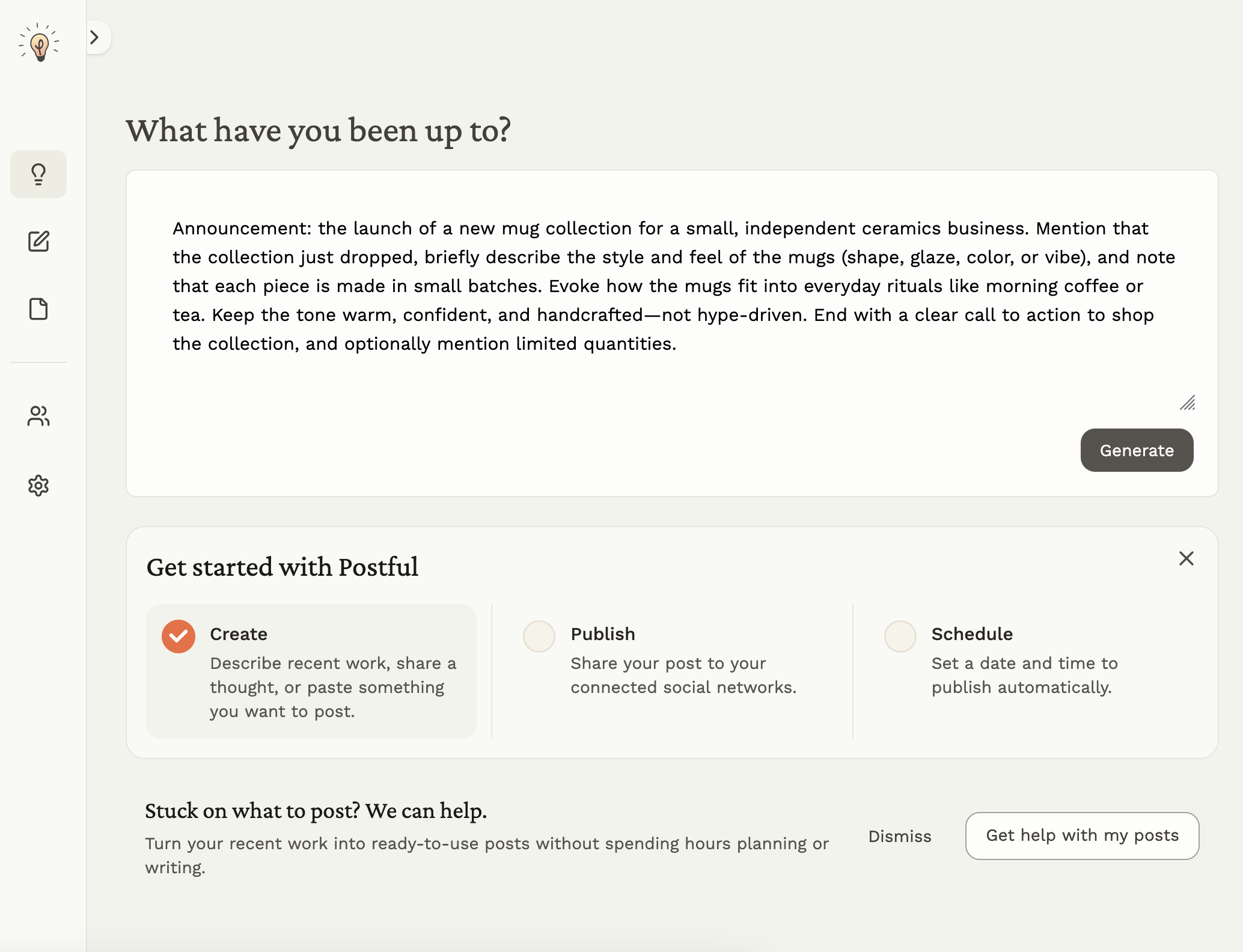
    Transform your customer reviews, messages, and project photos into compelling social media narratives with ease using Postful. As an AI-powered tool designed for busy individuals and small businesses, Postful streamlines your social media efforts by generating ideas, refining content, and ensuring consistency in your posts. Say goodbye to the confusion and time drain of social media management. Sign up for Postful today and start growing your audience with authentic, engaging content that resonates.

  • How to Plan a Month of Social Media Content in Just One Afternoon

    How to Plan a Month of Social Media Content in Just One Afternoon

    This article was assisted with AI. We may include links to partners.

    Imagine turning what feels like a daily scramble into a single, focused afternoon of work that sets your entire month’s social media on autopilot. For service professionals and small business owners juggling client work, marketing often slips down the priority list. Yet, consistent, well-planned content is key to growing your brand beyond lead platforms like Thumbtack or Angi.

    Brands that plan their content in advance see engagement rates 3-4 times higher than those posting ad hoc, according to PostEverywhere.ai. That’s a huge difference, and it’s within reach if you know how to batch your work efficiently.

    Why Batch Content Creation Works Better Than Daily Posting

    Creating social media content daily might seem manageable, but it’s often inefficient and stressful. Instead, dedicating 2-3 hours once a month to batch-create multiple posts can save time and improve quality. This approach, known as content batching, lets you focus without constant interruptions and helps maintain a consistent voice and style across posts.

    Section Image

    According to 20 Minute Marketing, batching content is not just about efficiency—it also ensures your posts are thoughtfully crafted rather than rushed. You can develop templates for your most successful content types, which makes customization faster while keeping your brand consistent.

    For service pros, this means turning your everyday work—like before-and-after photos or client reviews—into ready-to-go social posts. It’s practical marketing that fits your schedule rather than the other way around.

    Moreover, batching allows you to tap into your creative flow more effectively. When you set aside dedicated time for content creation, you can immerse yourself in the themes and messages you want to convey, leading to richer and more engaging posts. This focused approach helps you explore various angles and ideas, ensuring that your content resonates with your audience. You can also take advantage of tools and resources, such as stock photo websites or graphic design platforms, to enhance your visual content without the pressure of daily deadlines.

    Additionally, batching can significantly reduce the mental load associated with content planning. When you create multiple posts in one sitting, you can easily identify gaps in your content strategy and adjust accordingly. This proactive approach not only helps in maintaining a steady stream of content but also allows you to align your posts with upcoming events, promotions, or seasonal trends, ensuring that your messaging is timely and relevant. By planning ahead, you can also incorporate feedback from previous posts, refining your strategy to better meet the needs and preferences of your audience.

    Assigning Themes to Simplify Your Content Calendar

    One of the easiest ways to plan a month’s worth of content is by assigning themes to specific days or weeks. This strategy creates predictability, making scheduling less overwhelming and helping your audience know what to expect.

    The American Marketing Association suggests using thematic days or weeks to streamline your content planning. For example, you might dedicate Mondays to “Client Success Stories,” Wednesdays to “How-To Tips,” and Fridays to “Behind-the-Scenes” glimpses of your work. This structure reduces decision fatigue and keeps your content varied yet cohesive.

    For service providers, themes can align with the natural rhythm of your work. Posting project highlights shortly after completion or sharing tips on maintaining home systems during certain seasons can resonate well. When you plan this way, your content feels relevant and timely without extra effort.

    Moreover, consider incorporating monthly themes that align with broader industry trends or seasonal events. For instance, if you’re in the fitness industry, January could focus on “New Year, New You” content, while summer might shift to “Staying Fit in the Heat.” This not only keeps your content fresh but also taps into the collective mindset of your audience, making your posts more engaging and relatable. By aligning your themes with the interests and needs of your audience, you can create a deeper connection and foster a sense of community around your brand.

    Additionally, don’t hesitate to involve your audience in the theme selection process. Conduct polls or surveys to find out what topics they are most interested in. This not only enhances engagement but also ensures that your content resonates with your followers. By giving them a voice in your content calendar, you create a more interactive experience and increase the likelihood that they will share and engage with your posts, ultimately expanding your reach and impact.

    Timing Your Posts for Maximum Engagement

    Knowing when to post is as important as what you post. A study analyzing 5,706 Facebook posts found that content published in the morning receives more clicks than posts in the afternoon or evening, though afternoon and evening posts perform similarly in engagement levels. This insight can guide how you schedule your posts throughout the day.

    Interestingly, the same study revealed that posts requiring higher cognitive processing—like detailed tips or educational content—perform better in the afternoon and evening. Meanwhile, lighter, more visual posts tend to get more traction in the morning. This means you can tailor your content type to the time of day for better results.

    Scheduling tools that automate posting can help you hit these optimal times without having to be online yourself. This is especially useful for busy professionals who want to maintain a consistent presence without constant manual effort. Many of these tools also offer analytics features, allowing you to track engagement metrics and adjust your strategy based on real-time data. By leveraging these insights, you can refine your posting schedule to align with your audience’s habits, ensuring that your content reaches them when they are most receptive.

    Moreover, different social media platforms may have their own unique peak times for user activity. For instance, while Facebook may favor morning posts, Instagram users often engage more during lunch hours and late evenings. Understanding these nuances can further enhance your social media strategy, allowing you to maximize visibility across various channels. Experimenting with different posting times and analyzing the results can lead to a more tailored approach, ultimately fostering a deeper connection with your audience and driving higher engagement rates.

    Learn more about the timing insights from the Keller Center for Research at Baylor University.

    Using Tools to Streamline Content Creation and Posting

    Technology can be a powerful ally in your social media planning. Tools like the Social Media Mining Toolkit (SMMT) simplify the process of gathering and standardizing social media data, which can inform your content strategy and improve reproducibility of your results.

    Section Image

    For service pros, platforms like Postful offer AI-assisted content creation that turns job documentation-photos, reviews, and project notes-into ready-made posts. This bridges the gap between your daily work and marketing, saving time and reducing the guesswork.

    Sprout Social emphasizes the importance of revisiting and readjusting your social media plan based on post performance. Using analytics tools to track what resonates with your audience allows you to continuously optimize your content calendar.

    Explore how SMMT can enhance your research and content strategy on arXiv and find practical planning templates at Sprout Social.

    Step-by-Step Guide to Planning Your Month in One Afternoon

    1. Gather Your Content Ideas

    Start by listing out all the content you already have or can easily create-photos of recent jobs, customer testimonials, quick tips, or FAQs. Use your existing lead platform activity as inspiration, since these topics already attract your ideal clients.

    Section Image

    2. Assign Themes to Each Week or Day

    Pick 3-4 themes that reflect your expertise and audience interests. For example, “Tool Tips Tuesday,” “Before & After Thursday,” or “Customer Spotlight Friday.” This creates a framework that makes filling in your calendar faster.

    3. Create Templates for Each Content Type

    Develop reusable post templates for your most common content-whether it’s a photo with a caption, a quick tip, or a client review. Templates save time and keep your branding consistent across platforms.

    4. Batch Create Content

    Set aside 2-3 focused hours to write captions, edit photos, and schedule posts in bulk. Use AI tools or scheduling platforms to streamline this process. This prevents the daily scramble and helps maintain quality.

    5. Schedule Posts at Optimal Times

    Use insights about engagement timing to schedule posts for mornings if they’re light and visual, and afternoons or evenings for more thoughtful content. Automation tools can handle this for you, freeing your time for client work.

    6. Monitor and Adjust

    After a week or two, review which posts perform best. Adjust your themes, posting times, or content types accordingly. Continuous optimization keeps your strategy aligned with audience preferences.

    Making Social Media Work for Service Professionals

    For independent service providers, social media marketing can feel like a daunting extra task. But by turning your daily work into marketing content and planning it all in one afternoon, you gain control and predictability over your brand’s visibility.

    This approach helps you break free from relying solely on lead platforms, building a direct relationship with your audience. It’s about practical, low-effort marketing that fits your busy schedule and gets real results.

    Remember, the goal isn’t to post constantly but to post consistently with purpose. Using batching, themes, timing, and the right tools, you can make social media a manageable part of your business growth strategy.

    Try tools like Postful to automate turning your job documentation into engaging social posts. Capture your next job, and let the platform help you share it effortlessly.

    Ready to Transform Your Social Media Strategy?

    With Postful, you’re just one step away from turning your social media management from a daily hassle into a streamlined, impactful part of your business. Embrace the power of AI to generate, refine, and schedule your content effortlessly. Sign up for Postful today and discover the ease of maintaining a consistent, authentic social media presence that resonates with your audience and grows your brand.